GEOTECHNICAL ENGINEERING
BELLEVILLE ONTARIO
HomeRoadwayFlexible pavement design

Flexible Pavement Design in Belleville Ontario: Local Subgrade Solutions

Knowledgeable. Thorough. Resourceful.

LEARN MORE

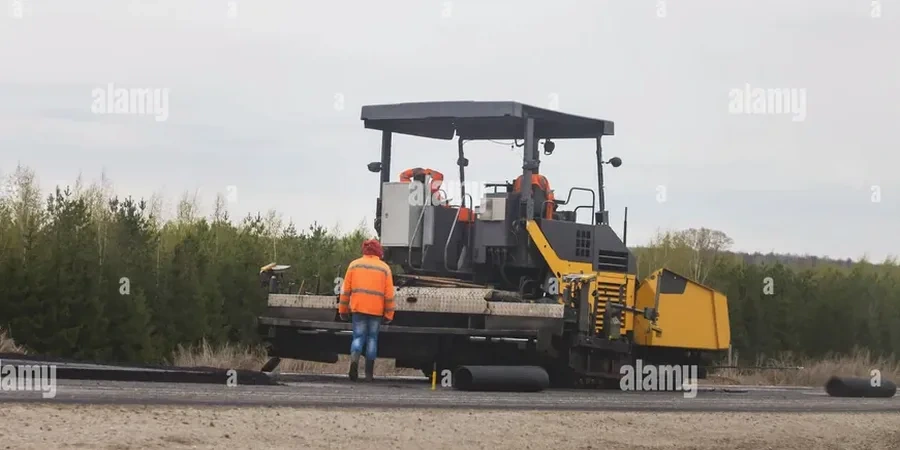
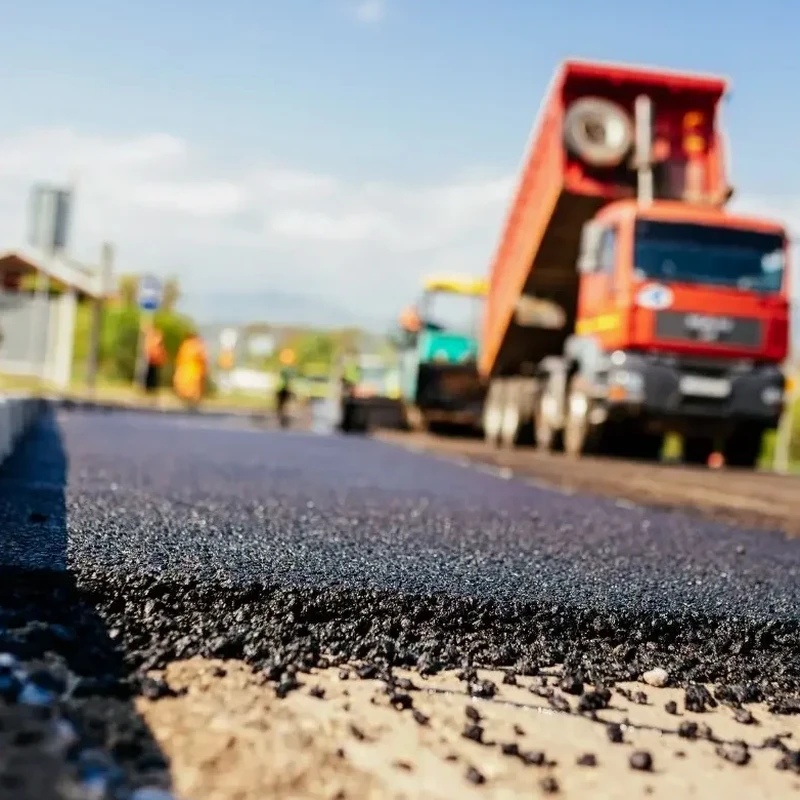
The subgrade beneath Old East Hill tells a different story than the soils found in the Thurlow Ward commercial corridor. One sits on compact glacial till. The other, on sensitive silt deposits near the Moira River floodplain. That contrast matters. A lot. A pavement section that performs for 20 years on one side of Belleville might rut and crack within five on the other. Designing flexible pavement in Belleville Ontario means reading the local geology first. Not just dropping a generic cross-section from a manual. Our technical team runs the CBR tests and resilient modulus correlations that turn local subgrade data into asphalt and granular base thicknesses calibrated for this city. No shortcuts. Just a pavement structure that holds up under Ontario truck traffic and brutal freeze-thaw cycles.

A pavement is only as good as the subgrade it sits on. In Belleville's silty clays, drainage design is half the battle.
Our service areas

Methodology and scope

Belleville sits on a complex mix of glaciolacustrine deposits and limestone bedrock, with groundwater often found within 2 to 4 metres of the surface in the lower-lying areas near the Bay of Quinte. The native silty clay subgrades around the city typically show CBR values between 2% and 5% in their natural state. That is weak material. Without stabilization or a properly designed granular layer, the asphalt will fatigue early. Our flexible pavement design follows the AASHTO 1993 guide, correlating structural number with traffic loading and subgrade modulus. For Belleville projects, we emphasize drainage. Always. A saturated base course loses stiffness fast. We specify open-graded drainage layers and edge drains where the water table is high. The result is a pavement cross-section that looks simple on paper but is tuned to the exact soil conditions at the site. When the subgrade is particularly poor, we often coordinate with a CBR road investigation to refine the design modulus before finalizing the structural layers.
Flexible Pavement Design in Belleville Ontario: Local Subgrade Solutions
Technical reference — Belleville Ontario

Site-specific factors

The Benkelman beam and lightweight deflectometer equipment we mobilize to Belleville sites looks simple, but the data it captures is unforgiving. It measures actual deflection under load. A difference of 0.2 millimetres in rebound can mean the difference between a 15-year pavement and a 5-year failure. The risk in this city is not just the soft clay. It is the freeze-thaw cycling that pumps fines up into the granular base, destroying permeability over time. That process, called frost heave degradation, is aggressive in Belleville's climate. A pavement design that ignores it will trap water in the base course. The asphalt then strips. Cracks propagate. Potholes form. Our design approach directly addresses this by specifying non-frost-susceptible granular materials within the capillary zone and verifying drainage paths before a single tonne of asphalt is placed.

Need a geotechnical assessment?

Reply within 24h.

Email: contact@geotechnical-engineering.org

Watch the video

Relevant standards

AASHTO 1993 Guide for Design of Pavement Structures, MTO Pavement Design and Rehabilitation Manual (Ontario), ASTM D1883 – CBR of Laboratory-Compacted Soils, ASTM D4695 – Guide for General Pavement Deflection Measurements

Technical data

ParameterTypical value
Design standardAASHTO 1993 / MTO supplemental
Typical Belleville subgrade CBR2% to 5% (unstabilized silty clay)
Minimum granular base thickness300 mm (low-volume) to 450 mm (arterial)
Asphalt layer ranges100 mm to 180 mm (surface + binder)
Design traffic (ESALs)Projected over 20-year design life
Drainage coefficient (m)0.80–1.00 depending on saturation time
Reliability level85% (collector) to 95% (major arterial)
Freeze-thaw protectionFull-depth or granular frost tapers per MTO

Common questions

How much does a flexible pavement design cost for a project in Belleville?
What makes Belleville subgrades challenging for asphalt pavements?

The native glaciolacustrine silty clays are the main challenge. They have low bearing strength when wet and are moderately frost-susceptible. The water table sits high in many parts of the city, especially south of Highway 401. This combination means the pavement needs a thick, well-drained granular base to protect the subgrade from saturation and frost action.

Is the AASHTO 93 method sufficient for Ontario conditions?

Yes, but with local calibration. Our designs follow AASHTO 93 as the core framework and incorporate the Ministry of Transportation Ontario (MTO) supplemental guidelines for frost protection, material specifications, and reliability factors. This hybrid approach is standard practice across the province and has a long track record in eastern Ontario climates like Belleville's.

What is the typical pavement structure for a commercial parking lot in Belleville?

For a commercial lot on typical silty clay subgrade, we often design a section with 100 mm of hot-mix asphalt over 300 mm of Granular A base course, with a Granular B sub-base of 200 mm where drainage is marginal. The exact thicknesses depend on the CBR results and the expected truck traffic. We do not use a one-size-fits-all template because two lots a kilometre apart can sit on very different soils.

How do you account for freeze-thaw cycles in the design?

We design the granular layers to act as a frost taper, ensuring that frost-susceptible subgrade is below the expected frost penetration depth, or we specify non-frost-susceptible fill for the upper subgrade. The drainage system is detailed to remove meltwater quickly in March and April, which is when Belleville pavements take the most damage. Saturated base material loses stiffness and leads to early fatigue cracking in the asphalt.

Location and service area

We serve projects across Belleville Ontario and surrounding areas. More info.

View larger map