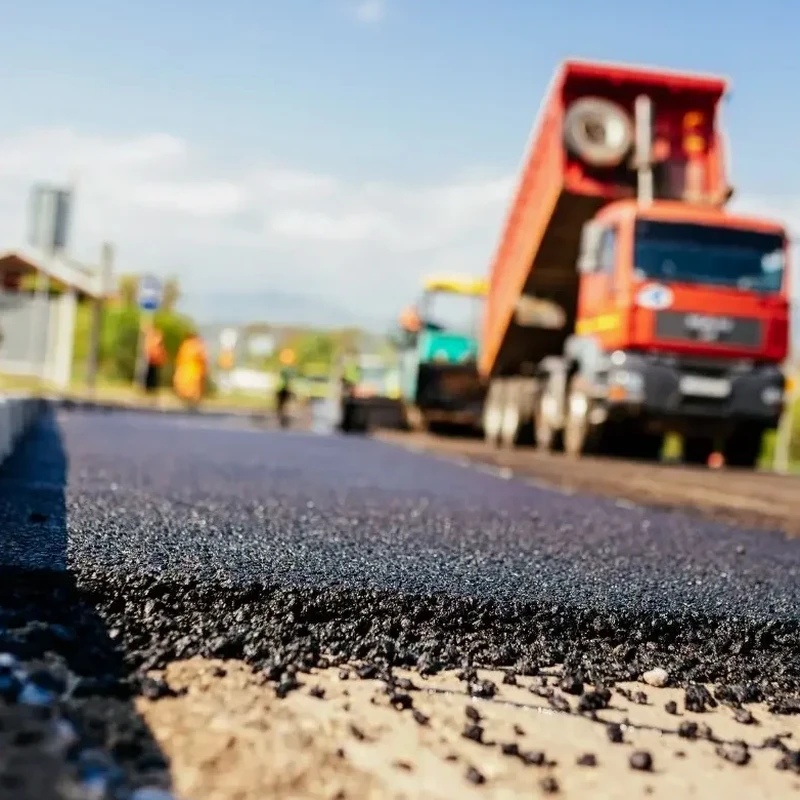
Roadway engineering in Belleville, Ontario, encompasses the comprehensive planning, analysis, and structural design of pavement systems that form the backbone of the city's transportation network. From arterial roads and residential streets to commercial parking lots and highway interchanges, this category addresses the critical interface between vehicular loads and the underlying subgrade. The unique geological setting of Belleville, situated along the Bay of Quinte with its post-glacial soils, demands specialized approaches to ensure long-term pavement performance and resistance to seasonal freeze-thaw cycles.
The local geology presents both opportunities and challenges for roadway designers. Much of Belleville is underlain by limestone bedrock of the Lindsay Formation, often mantled by glacial till and sensitive marine clays deposited during the Champlain Sea incursion. These fine-grained soils can exhibit poor drainage characteristics and frost susceptibility, making proper subgrade preparation and drainage design essential. A thorough CBR study for road design becomes indispensable in quantifying subgrade strength and informing appropriate pavement structural sections that can withstand Belleville's climate extremes, from summer heat to winter deep frost penetration.
Roadway projects in Ontario are governed by provincial standards and methodologies, most notably the Ontario Provincial Standards for Roads and Public Works (OPS) and the Ministry of Transportation Ontario (MTO) design guidelines. The MTO's Pavement Design and Rehabilitation Manual provides the analytical framework, while the Ontario Traffic Manual guides geometric considerations. Municipal specifications for the City of Belleville further refine these requirements, often referencing OPSS 310 for granular base courses and OPSS 1151 for hot mix asphalt. These standards ensure that both flexible pavement design and rigid pavement design meet minimum structural and performance criteria tailored to regional conditions.
The types of projects requiring professional roadway engineering services are diverse and span both public and private sectors. Municipal road reconstructions, new subdivision developments, industrial park access roads, and commercial site developments all demand pavement designs calibrated to anticipated traffic loading over a defined service life. Transportation infrastructure projects, including Highway 401 improvements and intersections along Bell Boulevard or North Front Street, require detailed engineering analysis to manage heavy truck traffic and optimize life-cycle costs. Even smaller-scale projects like residential driveways and rural road upgrades benefit from geotechnical input to prevent premature cracking, rutting, and frost heave.
Flexible pavements, typically asphalt over granular base, distribute loads through aggregate interlock and are generally more cost-effective for initial construction and easier to repair. Rigid pavements use concrete slabs that bridge minor subgrade weaknesses through flexural strength, offering longer service life and reduced maintenance under heavy traffic but at higher upfront cost. The choice in Belleville often depends on traffic volumes, subgrade conditions, and life-cycle cost analysis per MTO guidelines.
A California Bearing Ratio (CBR) study quantifies the strength of the natural subgrade soil, which in Belleville can vary from stiff glacial till to weak Champlain Sea clays. This value directly determines the required pavement structural thickness to prevent failure. Without accurate CBR data, a pavement may be under-designed, leading to premature rutting and cracking, or over-designed, resulting in unnecessary material and construction costs.
Frost penetration depth and freeze-thaw cycling are critical design factors. Moisture in frost-susceptible silty or clayey subgrades can freeze and form ice lenses, causing heaving, with subsequent thaw weakening in spring. Ontario pavement design requires adequate granular base thickness to mitigate frost action and provide drainage. Proper material specification and subgrade treatment are essential to prevent seasonal damage and maintain ride quality.
The Ministry of Transportation Ontario (MTO) Pavement Design and Rehabilitation Manual provides the primary structural design framework. Ontario Provincial Standards (OPS) govern materials and construction methods, including OPSS 310 for granular bases and OPSS 1151 for hot mix asphalt. The City of Belleville also has municipal specifications and standard drawings that must be followed, often referencing these provincial documents for local projects.
We serve projects across Belleville Ontario and surrounding areas.