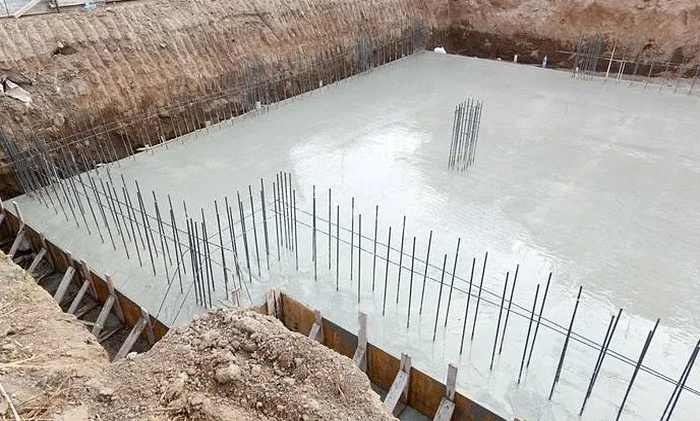
Belleville's expansion along the Moira River valley and the Bay of Quinte shoreline has always been shaped by what lies beneath the surface. The city sits on a complex sequence of glacial till, lacustrine clays, and shallow limestone bedrock of the Ordovician period, where bearing capacity can shift dramatically within a single city block. Our laboratory team has worked extensively with these local deposits, and we understand that a shallow foundation here is never a simple copy-paste from a textbook. The water table across much of Belleville sits within 2 to 3 metres of grade, which means that footing design must account for buoyancy effects and potential softening of the clay fraction during spring thaw. When site conditions warrant a deeper look at the stratigraphy, we often pair our design work with test pits to visually confirm the upper soil profile before committing to final bearing elevations.
In Belleville's glacial till, a 25 kPa bearing difference between two boreholes 15 metres apart is not unusual — and that is exactly why site-specific design matters.